
News & Events
Stay up to date on all our exciting new events and view past webinars and podcasts with instant playback.
Modern Commonwealth celebrates 75 years
Celebrating 75 years since its inception, the Commonwealth stands as a remarkable international coalition, uniting 56 nations spanning Africa, Asia, the Americas, Europe, and the Pacific. From the small island nations to the most populous nations, the Commonwealth serves as a vital forum for dialogue and concerted action on issues affecting all.
“When Commonwealth countries take collective decisions, it can move the whole world,” – Commonwealth Secretary-General.
As a steadfast institution committed to enhancing the well-being of its citizens, the Commonwealth remains resolute at 75. Samoa will make history as the first Pacific Island nation to host the Commonwealth Heads of Government Meeting in October 2024, under the banner of ‘One Resilient Common Future: Transforming our Common Wealth’.
Read the original article here: https://thecommonwealth.org/news/modern-commonwealth-celebrates-75-years
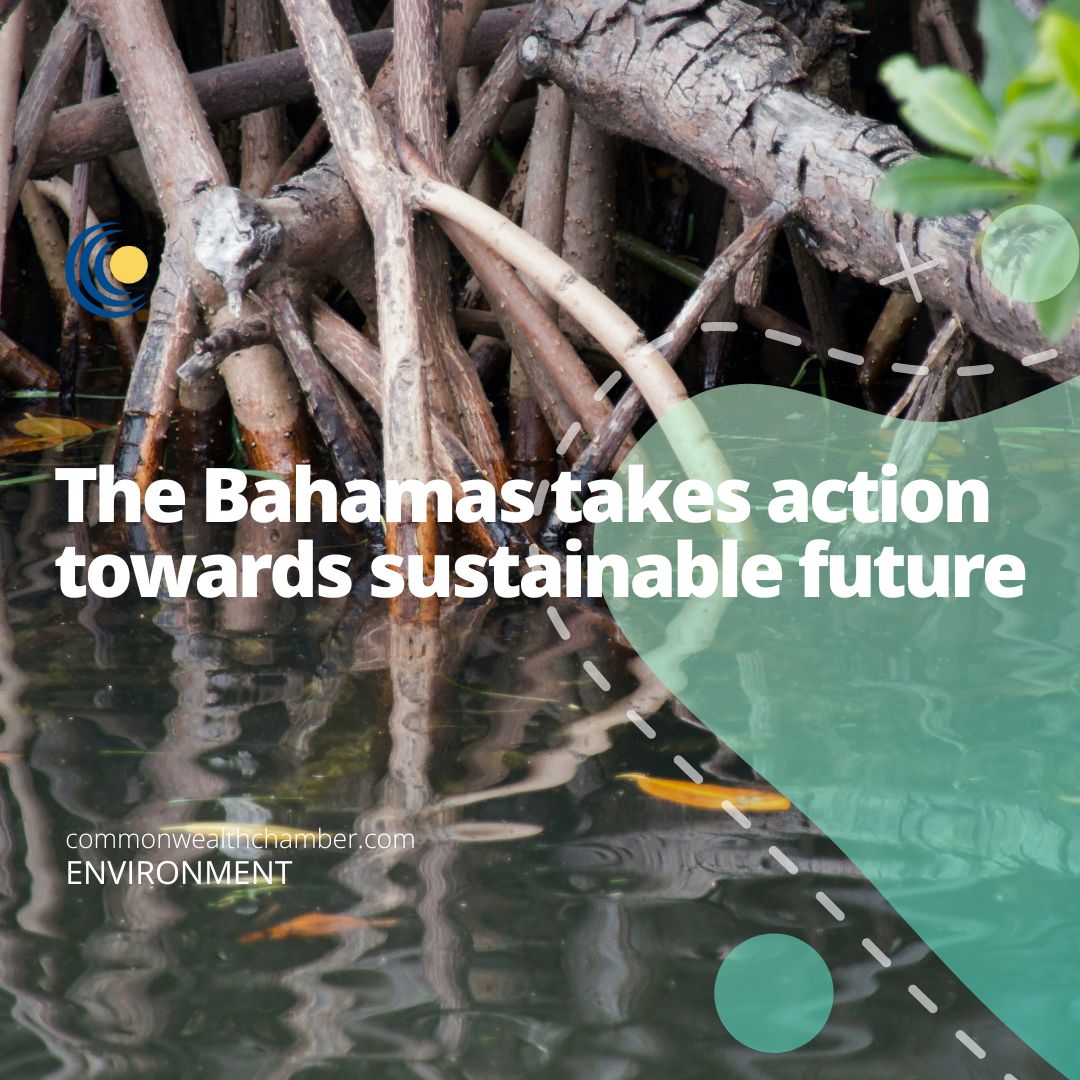
The Bahamas takes action towards sustainable future
The Bahamas Ministry of Tourism, Investments & Aviation has launched groundbreaking initiatives focused on fortifying and restoring mangrove trees devastated by Hurricane Dorian in 2019, aligning with Earth Day celebrations.
Recently, Deputy Prime Minister and Minister of Tourism I. Chester Cooper represented The Bahamas at the United Nations General Assembly Sustainability Week in New York City, highlighting the nation’s unwavering commitment to tourism resilience. In his address, Cooper emphasized that The Bahamas’ tourism success is rooted in uplifting lives, preserving environments, and sustaining local economies.
The “For The Love of Mangrove” campaign involves Team Tourism volunteers, public service staff, visitors, and the public, showcasing the industry’s environmental stewardship in restoring mangrove habitats.
Read the original article here: https://www.newswire.ca/news-releases/the-bahamas-takes-action-towards-sustainable-future-893494788.html
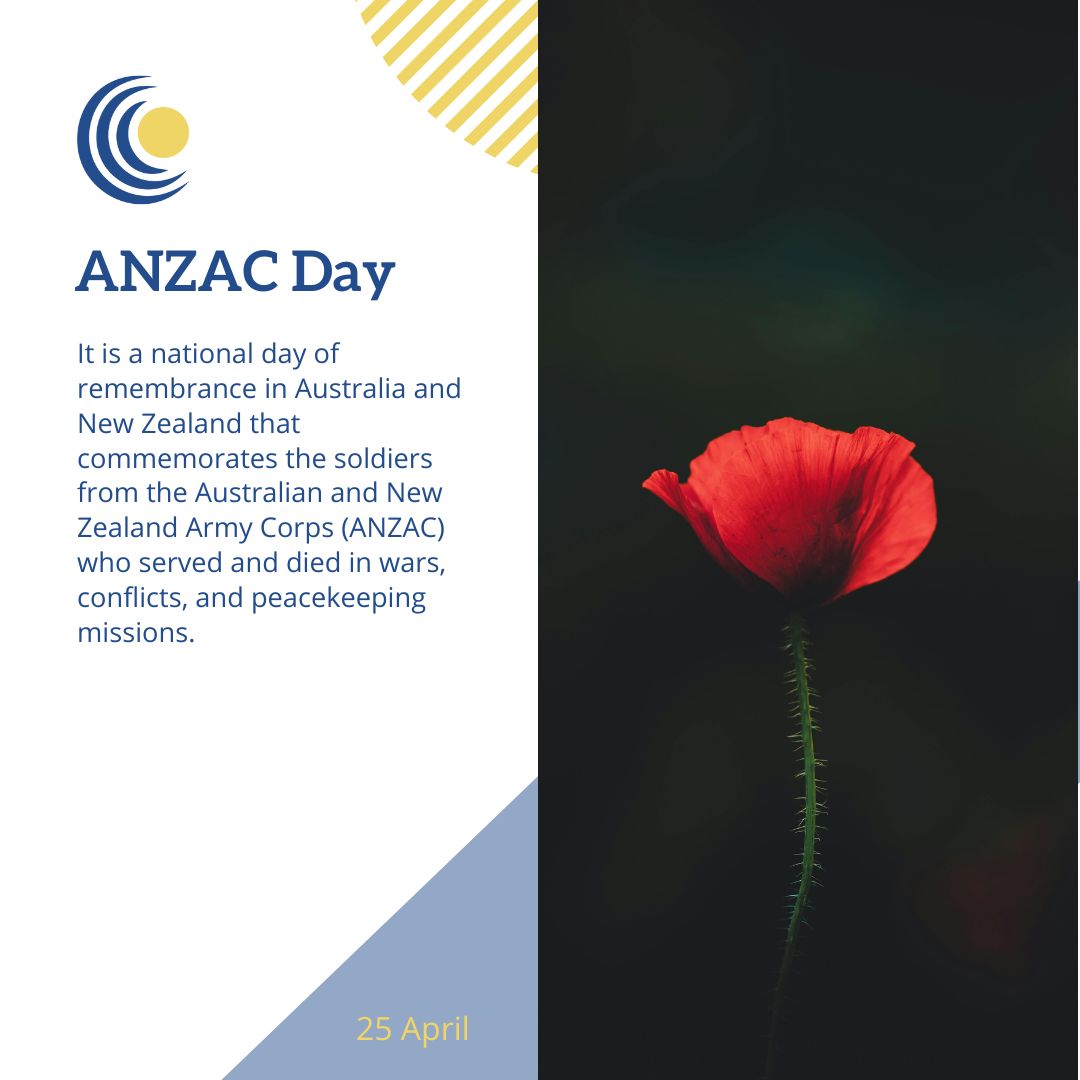
ANZAC Day
ANZAC Day is a day of remembrance that commemorates the landing of the ANZACs at Gallipoli during World War I on April 25, 1915. The day is observed through various ceremonies, parades, and services across Australia and New Zealand. The day usually starts with a dawn service, reflecting the time of the ANZAC landing at Gallipoli. This solemn and reflective service often involves the playing of the Last Post, a minute of silence, and the laying of wreaths to pay tribute to the fallen.
Throughout the day, there are also marches, veterans’ reunions, and cultural events that honour all those who have served in the armed forces.
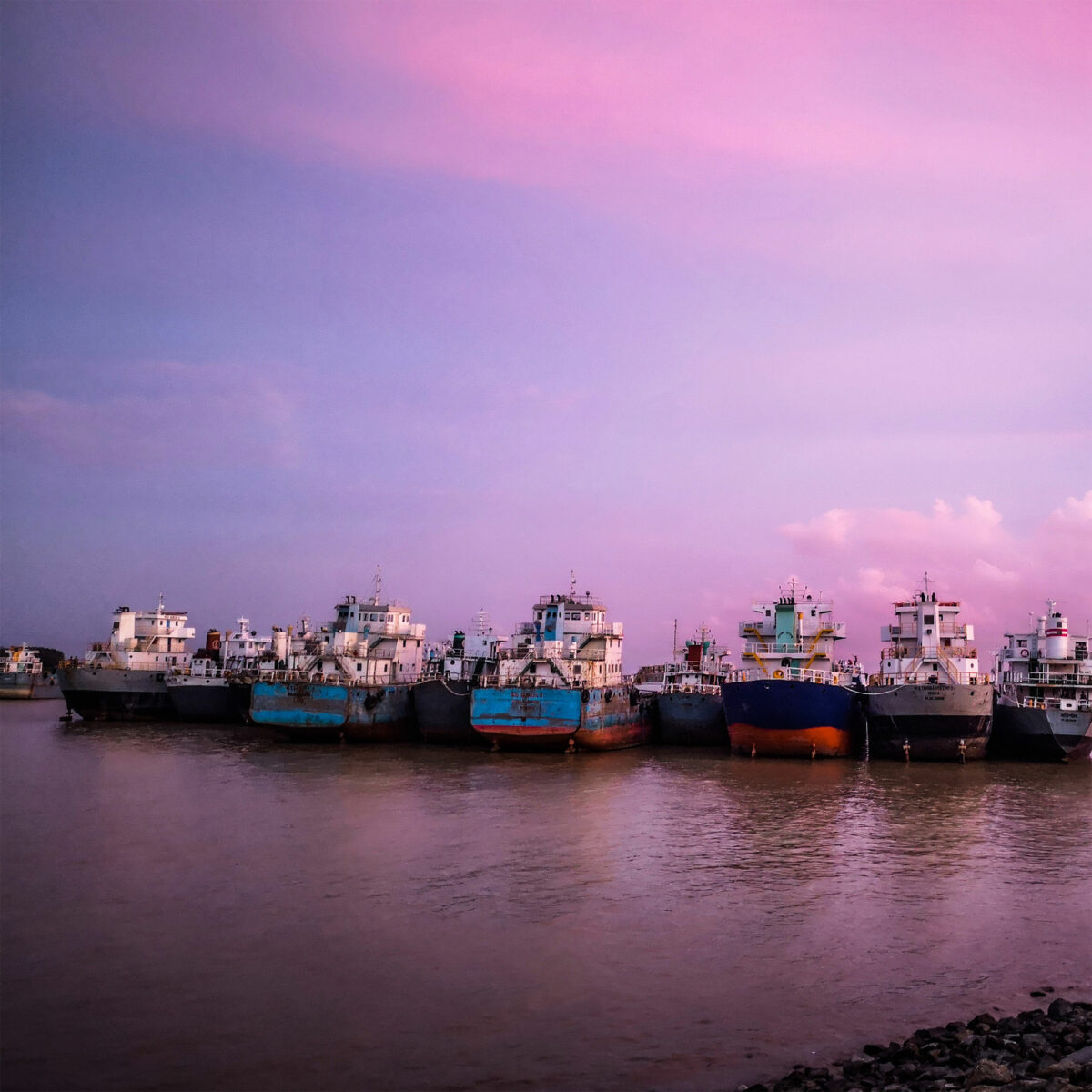
Bangladesh’s Mega Projects: Reviving the economy amidst COVID-19
Bangladesh’s economy is showing its potential through these mega projects. Government officials and experts say that if these Mega Projects can be implemented, Bangladesh’s status in the world court will increase.
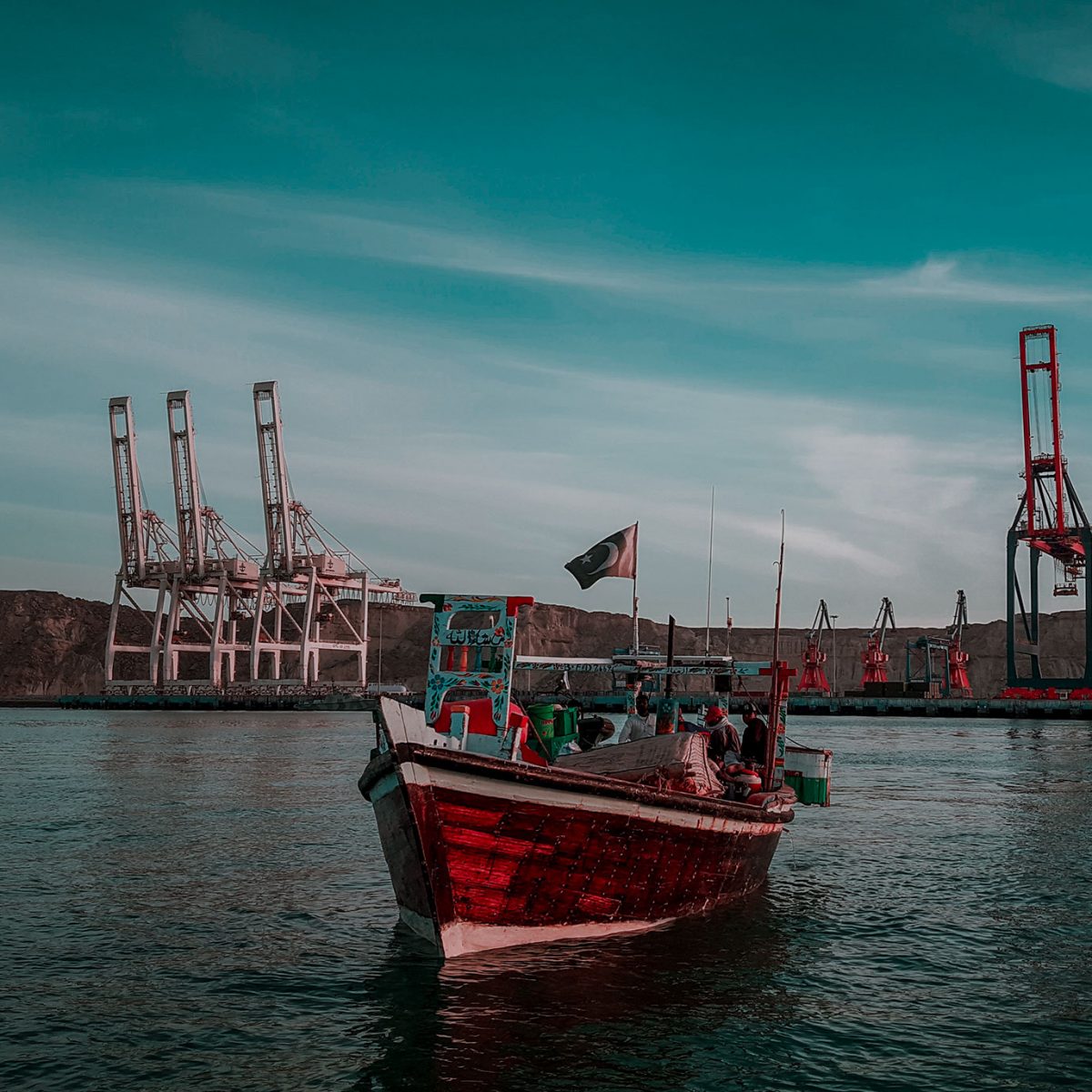
Access Asia: Bangladesh, Sri Lanka & Pakistan Offer New Combinations For Regional Supply Chains
Pakistan, Bangladesh and Sri Lanka are all near neighbours in South Asia, orbiting around the influence of India. All four share common ties both in terms of their history with the United Kingdom and through more recent ties through membership of the SAARC trade bloc.
How the Commonwealth is championing teamwork and vaccine equity
Dr. Hasan discusses the COVID pandemic and the Commonwealth’s part in the global recovery effort, especially vaccine equity and sharing of technology, via platforms like the ACT Accelerator, CPA, and CHPA.
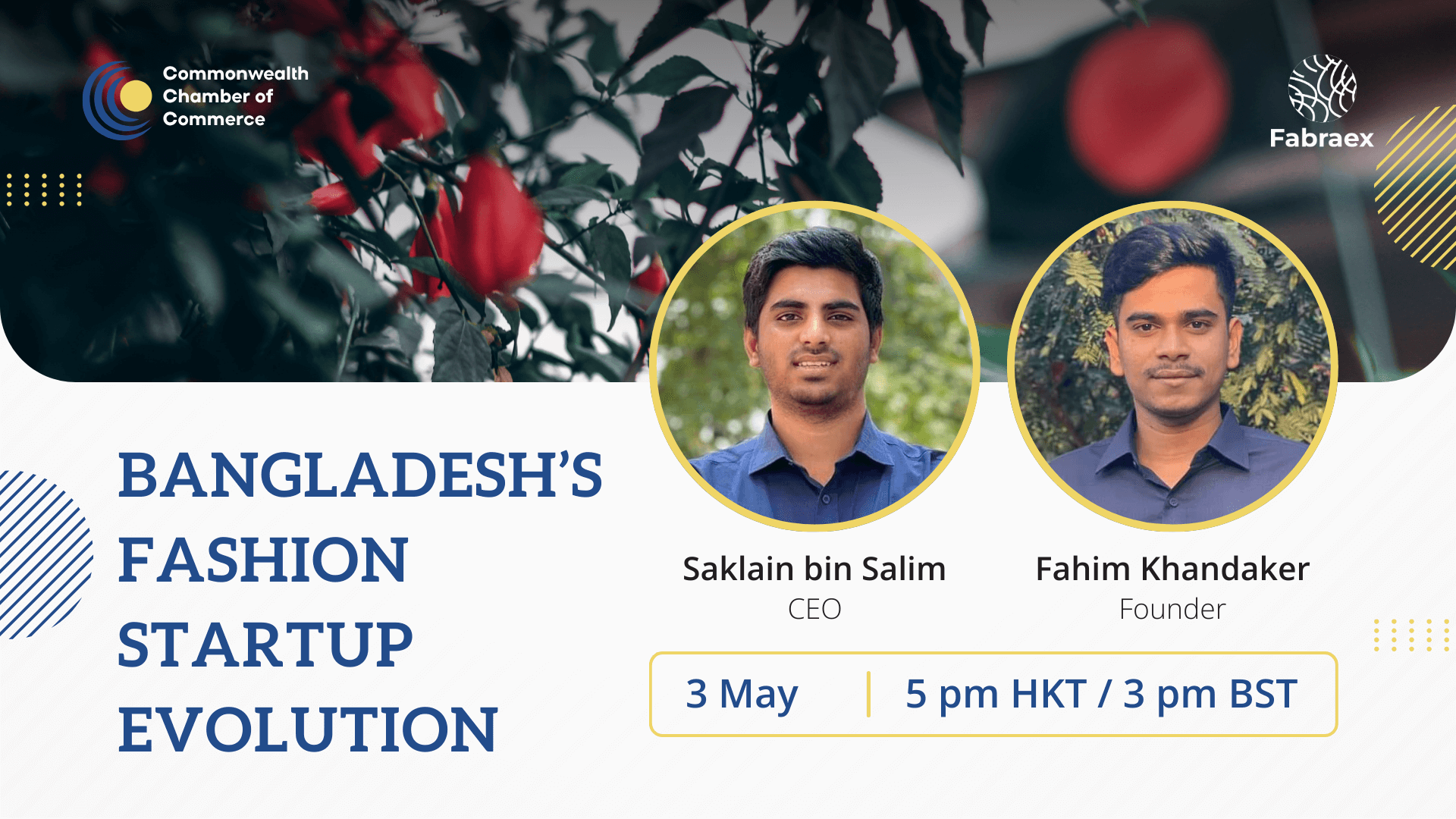
Bangladesh’s Fashion Startup Evolution
Join us for an exciting webinar that will take you on a journey through the world of Fabraex – a budding Bangladeshi fashion brand with a fresh perspective on blending cultural heritage with contemporary style. Founded by the visionary Fahim Khandkar and driven by the leadership of CEO Saklain bin Salim, Fabraex is a young startup on a mission to empower individuals to embrace their authentic identities through fashion.
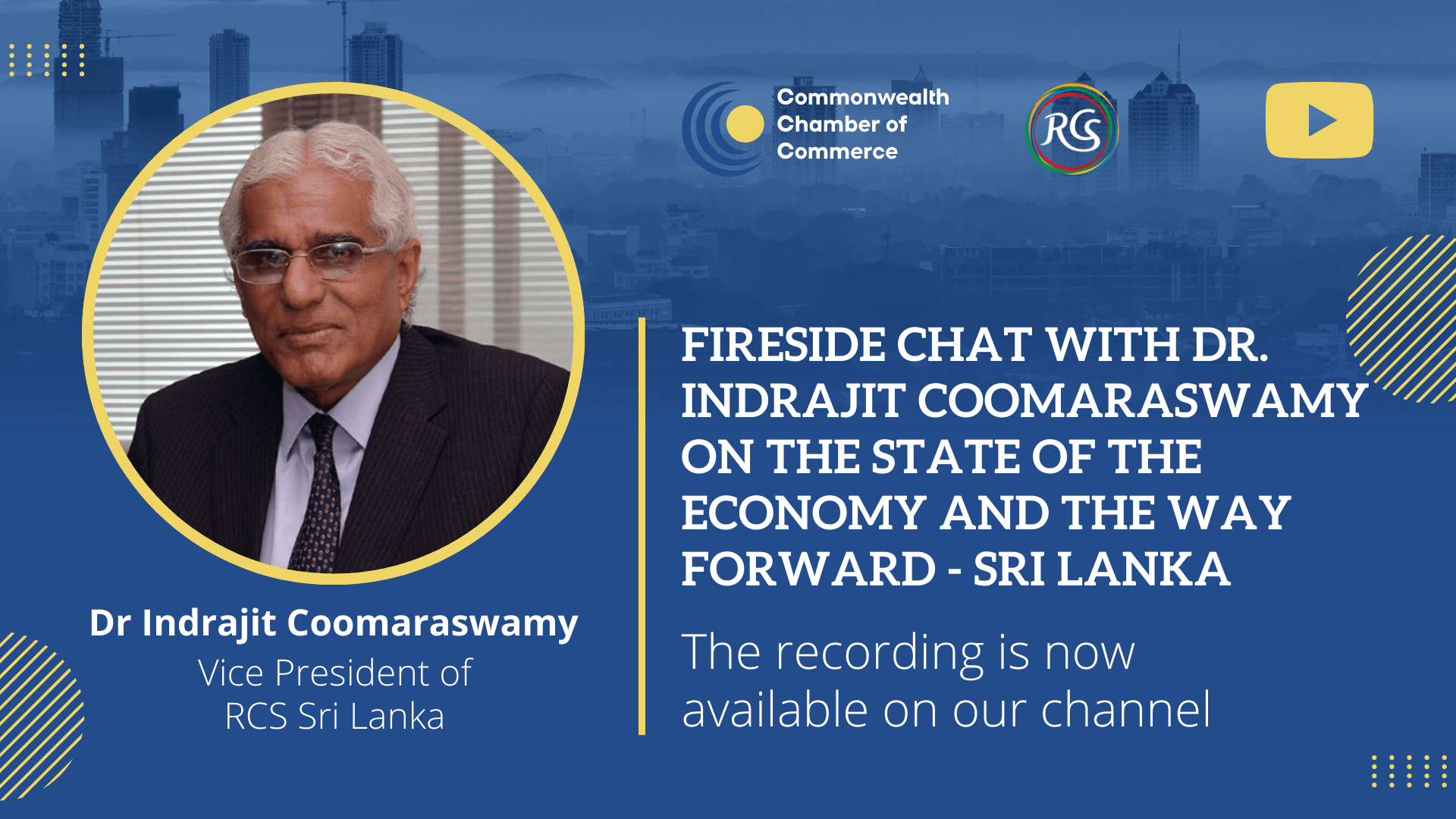
Fireside chat with Dr Indrajit Coomaraswamy: Lessons to be learnt from Sri Lanka’s recent economic crisis | Webinar Recording
The ongoing economic crisis in Sri Lanka offers important lessons for policymakers globally. In a thought-provoking fireside chat, Julia Charlton chair of the Commonwealth Chamber of Commerce speaks with Dr. Indrajit Coomaraswamy, former Governor of Sri Lanka’s Central Bank, to analyse the origins and impacts of the crisis, along with Sri Lanka’s path to recovery.
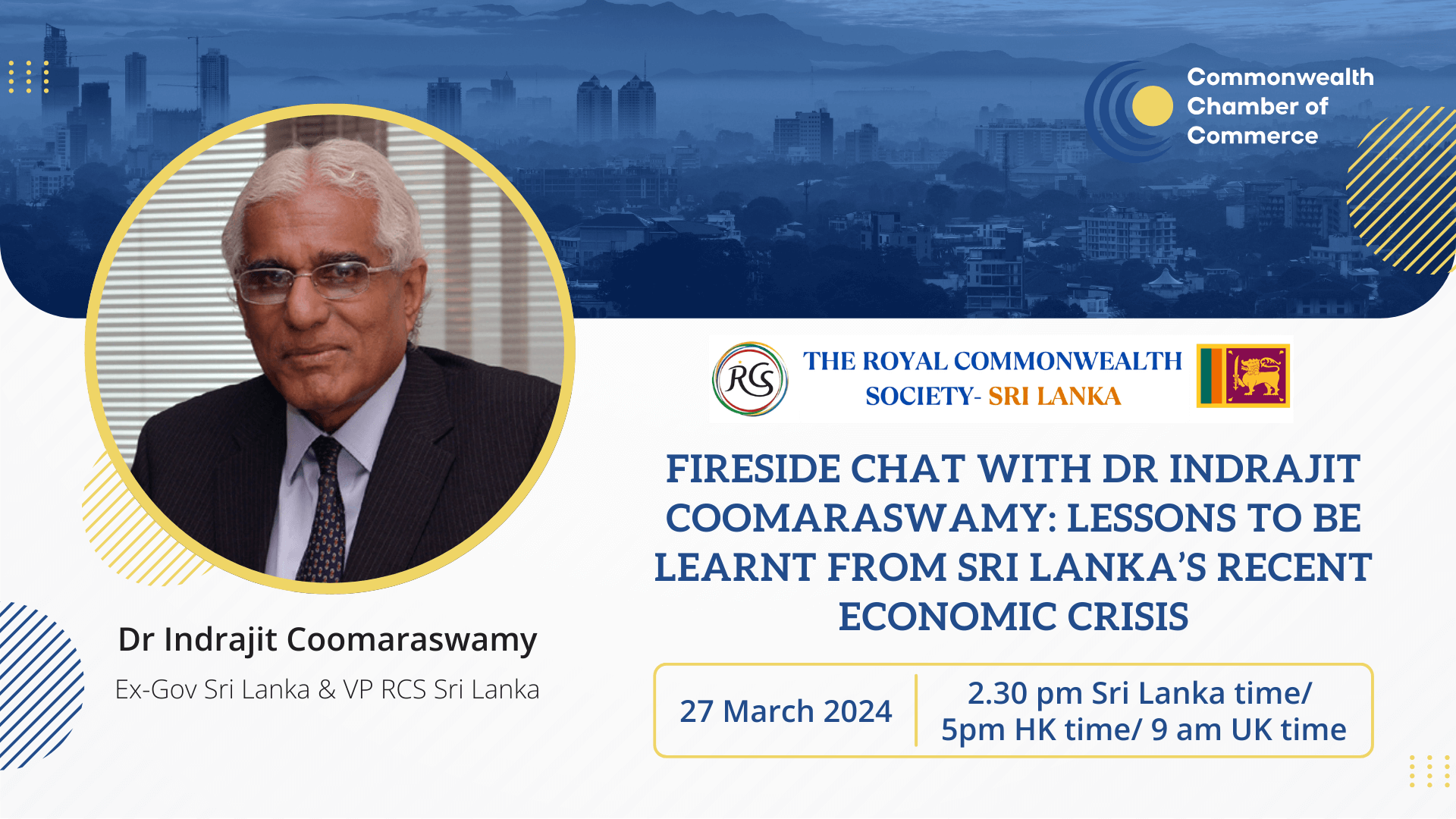
Fireside chat with Dr Indrajit Coomaraswamy: Lessons to be learnt from Sri Lanka’s recent economic crisis
Join us for an enlightening fireside chat with Dr. Indrajit Coomaraswamy on Sri Lanka’s Economic Road to Recovery in collaboration with RCS Sri Lanka. Dr. Coomaraswamy will provide crucial insights into Sri Lanka’s current economic standing and potential paths to recovery, drawing on his extensive experience as a former Governor of the Central Bank of Sri Lanka.

Environmental, Social and Governance (ESG): Growth and Opportunities in the Commonwealth
ESG in full refers to “(E)nvironmental, (S)ocial and (G)overnance” principles. While no official definition of ESG exists, it is agreed to be a holistic management framework of standards for all business-centric stakeholders involved in the structuring of organisations to understand and measure how well their companies/institutions are performing to offset risks and harness opportunities related to environmental, social and governance indicators.
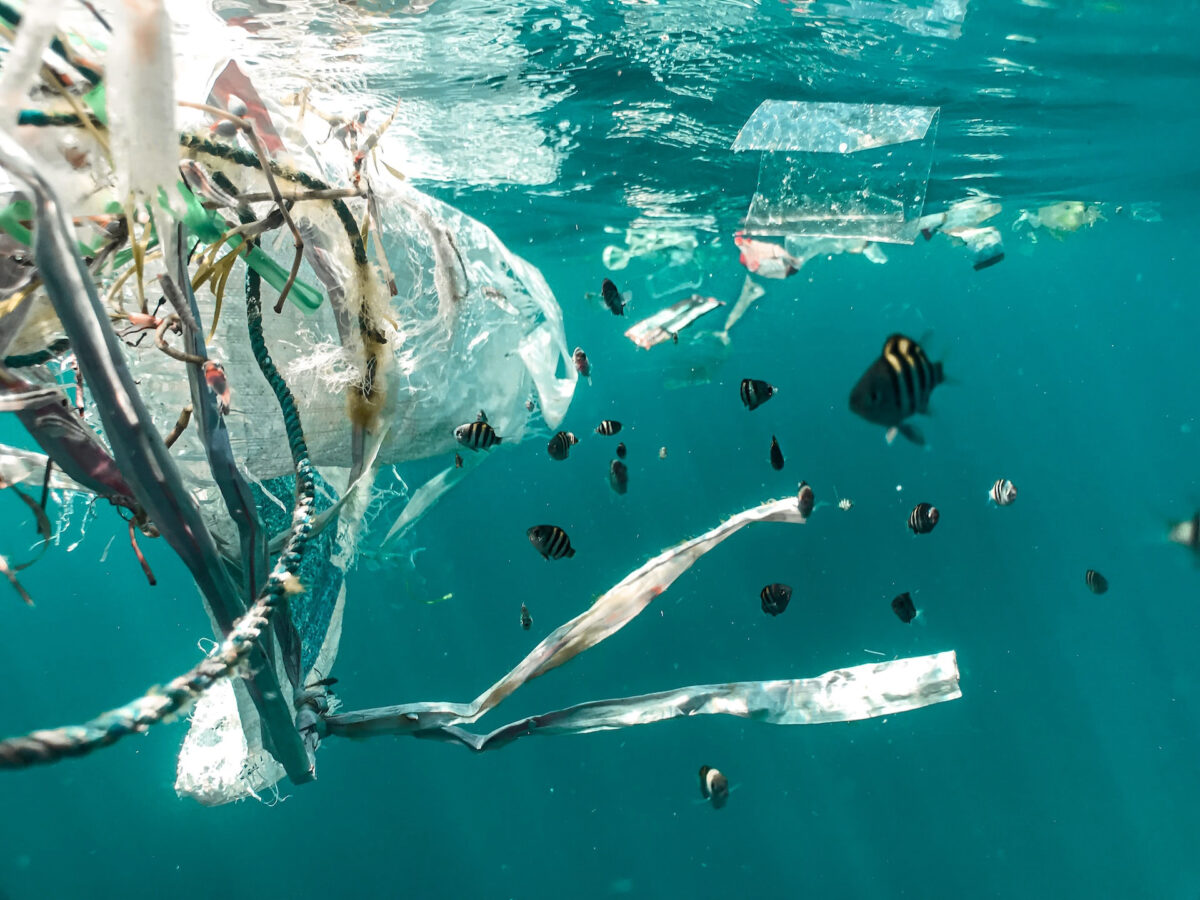
The Commonwealth Blue Charter: Progress Report
This progress report was released on 16 June 2022 by the Commonwealth Secretariat’s Oceans and Natural Resources Section, with notable contributions from David Sheppard, the Director of the Secretariat of the Pacific Regional Environment Programme (SPREP); Matthew Goldie-Scot, the Managing Director of the humanitarian strategic consultancy firm Thuso; and, Nina Schoonman, Consultant at Thuso.

The Commonwealth Blue Charter: Ocean Action Report
In May 2022, Asia Investment Research, a research organisation jointly set up by the investment finance firm China Investment Research and Dezan & Shira Associates, issued a special Economics and Trade feature titled “Bangladesh Trade, Development & Economic...
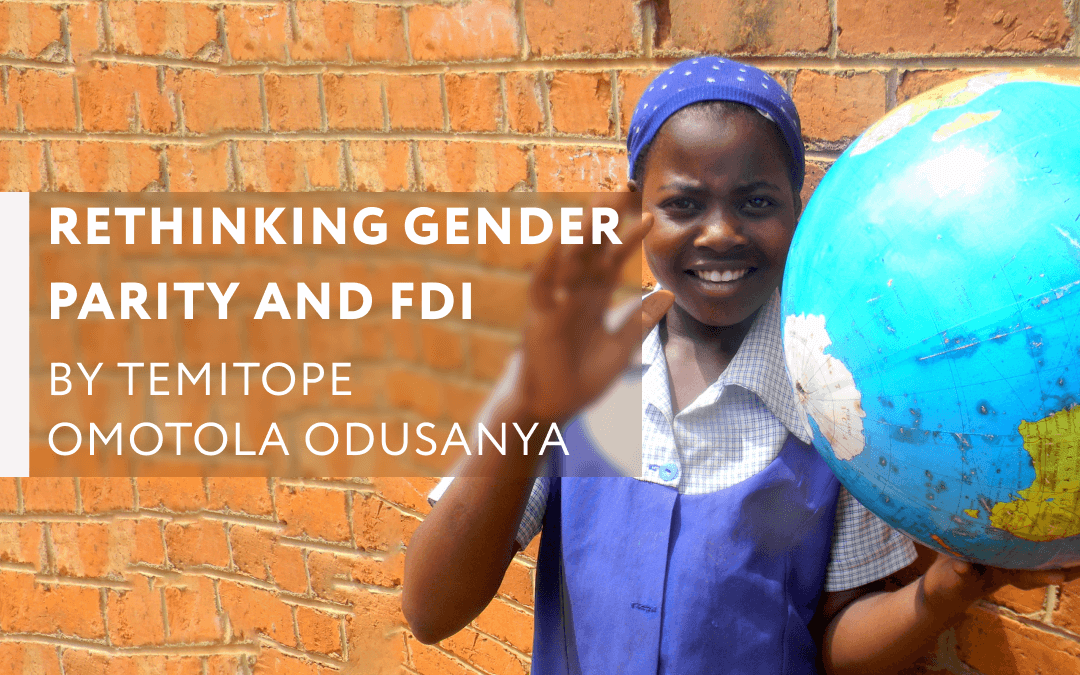
Rethinking Gender Parity and FDI
Gender disparity is arguably one of the greatest impediments to global development. The FDI’s landscape is often an overlooked avenue in gender equality discourse. Yet, it propels tapping equally into the reservoir of capabilities.
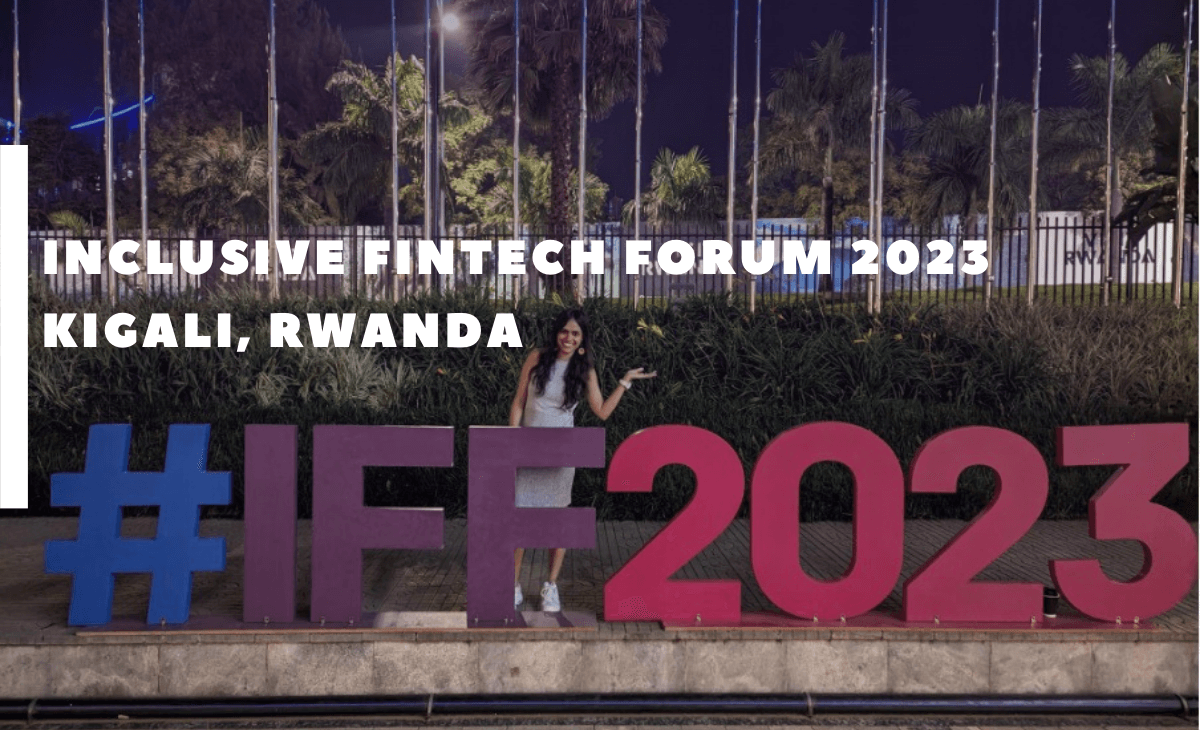
Unveiling Rwanda at the Inclusive Fintech Forum 2023: A Journey of Progress and Innovation
Hello Rwanda! Like always, it has always been my pleasure to visit here. I can truly say now that it is one of my favorite places in the world. I mean I’ve never been in love with a country more than this landlocked country bordered by Uganda to the north, Tanzania to the east, Burundi to the south, and the Democratic Republic of Congo to the west.
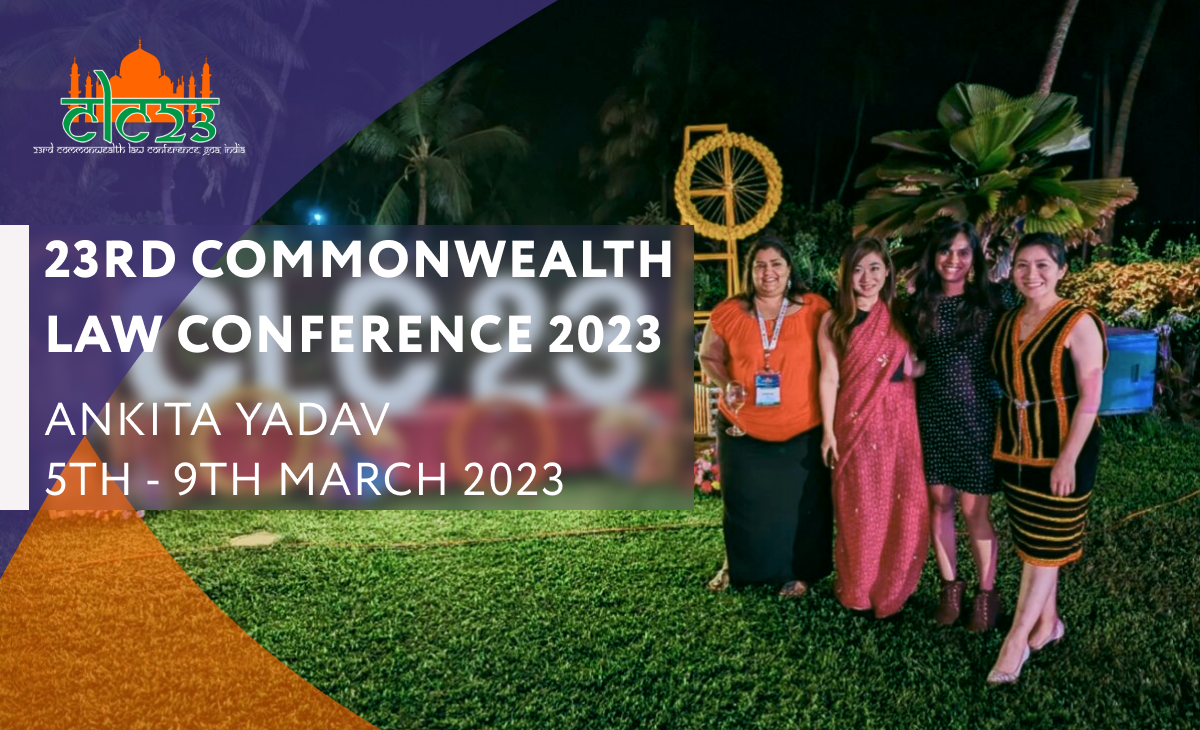
23rd Commonwealth Law Conference 2023
Did you know the first Commonwealth Law Conference was held in London in 1955, and since then it has been held in various cities across the Commonwealth, including Singapore, Cape Town, Auckland, and Edinburgh. The most recent conference was held in Goa, India.