
News & Events
Stay up to date on all our exciting new events and view past webinars and podcasts with instant playback.
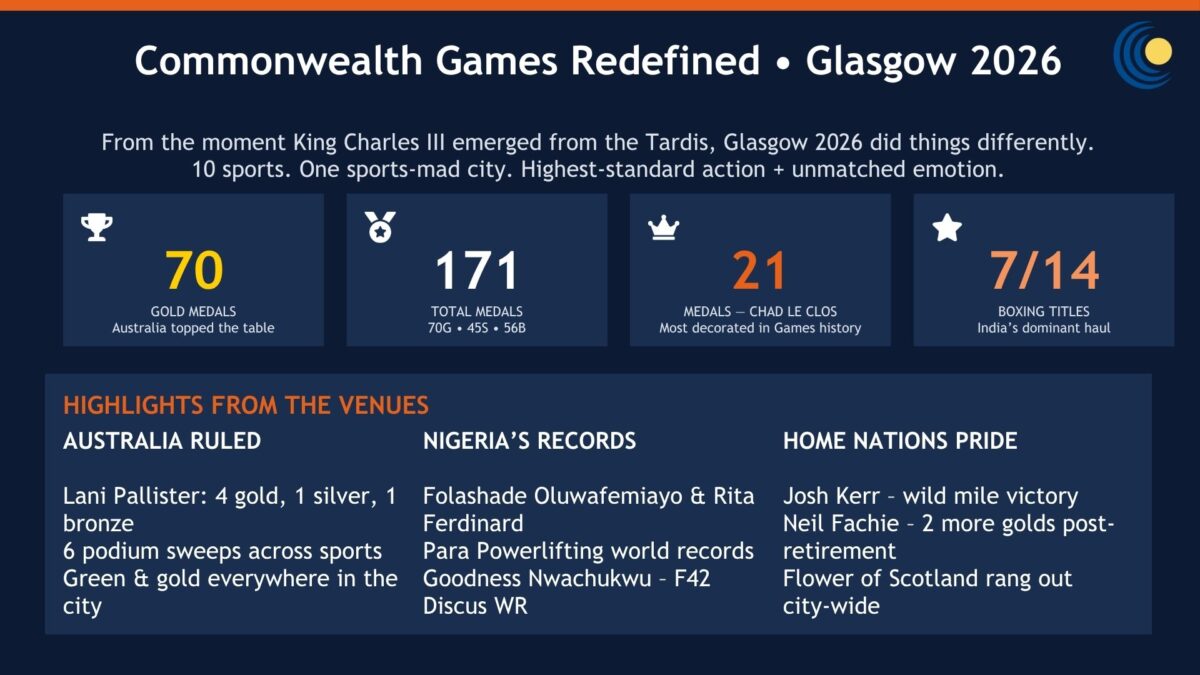
Glasgow 2026: Australia dominates as new stars and legends take centre stage
The Glasgow 2026 Commonwealth Games closed with a celebration of sporting excellence, emotional moments and a handover to Ahmedabad, India, which will host the 2030 Games.
Australia topped the medal table with 70 gold medals and 171 medals overall, underlining its dominance across the 10-sport programme. India also enjoyed a remarkable boxing campaign, winning seven of the 14 available boxing gold medals.
One of the Games’ defining achievements came from South African swimming legend Chad le Clos, who became the most decorated athlete in Commonwealth Games history with 21 medals. Other standout performers included Scotland’s Duncan Scott, Britain’s Emma Finucane and Canada’s Ellie Black, while emerging stars such as Filip Nowacki, Lani Pallister and Lewis Clareburt made their mark.
Beyond the medal table, Glasgow produced memorable human stories. Scottish swimmer Archie Goodburn competed despite his brain-tumour diagnosis, while Jamaica’s dramatic netball triumph and Melanie Woods’ success added to the Games’ emotional highlights.
The closing ceremony at The Hydro brought the celebrations to a fitting end, with Scottish rock band Simple Minds performing, including their iconic song Don’t You (Forget About Me). The ceremony also formally handed the Commonwealth Games baton to Amdavad 2030, bringing Glasgow’s 11-day sporting festival to a close.
Read more information here: https://www.glasgow2026.com/news/4552333/no-glasgow-no-party-commonwealth-games-redefined
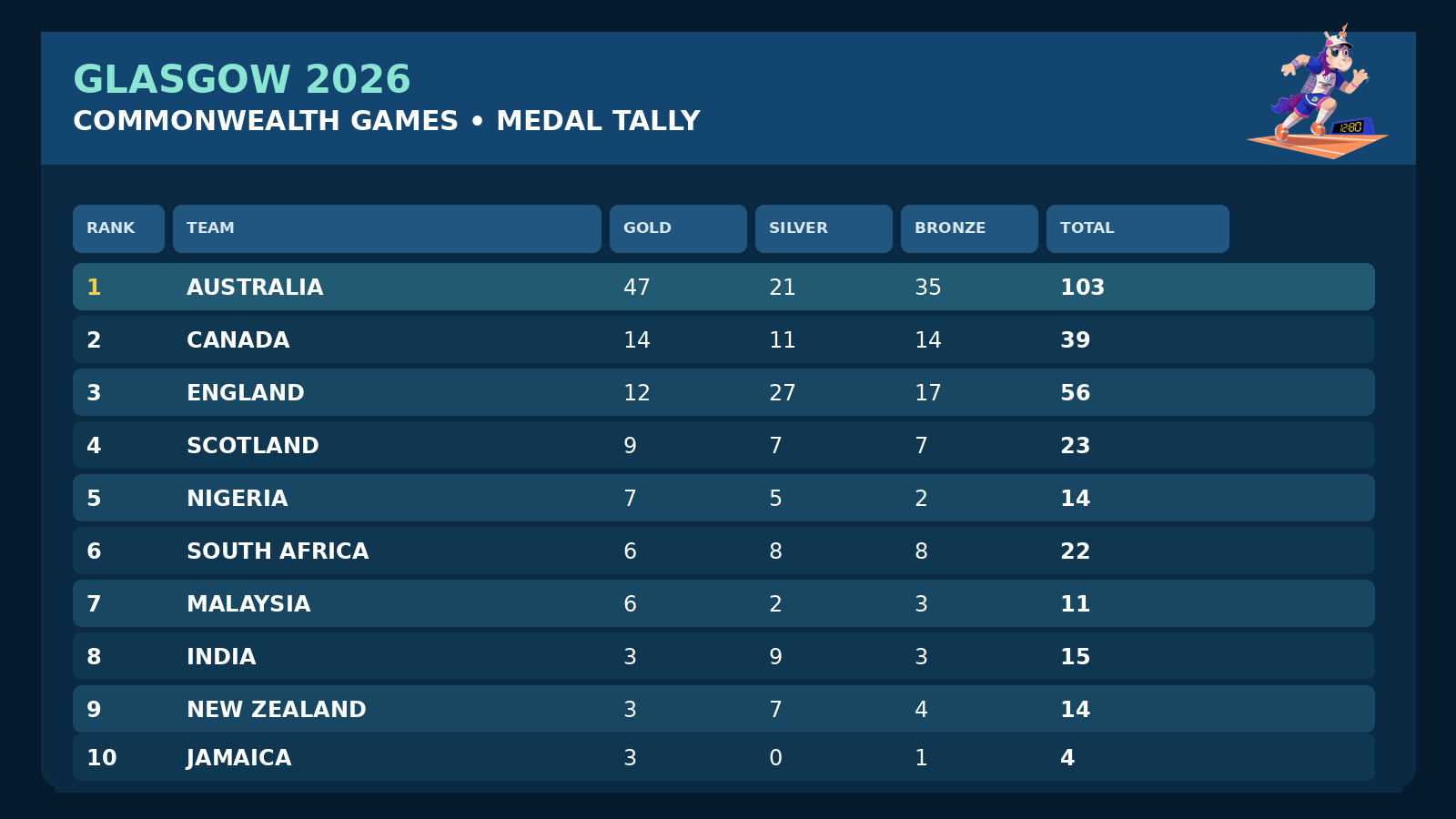
Australia leads early Glasgow 2026 Commonwealth Games medal race
Australia remains firmly on top of the Glasgow 2026 Commonwealth Games medal table with 47 gold medals and 103 medals overall, underlining its strength across swimming, athletics and gymnastics. Canada is second with 14 gold medals, while England ranks third on gold-medal count with 12, despite having the second-highest overall medal total of 56.
Several Australian athletes have delivered defining performances. Lani Pallister opened Australia’s gold-medal run by winning the women’s 400m freestyle in 3:59.56, while Jenna Jones claimed the women’s 100m freestyle S13 title. Jenna Forrester impressed with gold in the women’s 200m backstroke and 400m individual medley, and Meg Harris led an Australian clean sweep in the women’s 100m freestyle ahead of Mollie O’Callaghan and Shayna Jack.
Australia’s relay squads have also made their mark: Shayna Jack, Mollie O’Callaghan, Meg Harris and Alex Perkins won the women’s 4x100m freestyle relay by more than four seconds, marking Australia’s eighth successive Commonwealth Games title in the event. Kyle Chalmers anchored the men’s 4x100m freestyle relay team to gold, while Rose Davies won the women’s 10,000m, Kate McDonald took the women’s uneven-bars title, and Alex Perkins celebrated her 26th birthday with 100m butterfly gold.
India’s campaign has included important breakthroughs. Mirabai Chanu won her third consecutive Commonwealth Games title in the women’s 48kg weightlifting event, while Sharmila Dhankar made history by earning India’s first-ever para-athletics gold, in women’s shot put F57, with a season-best 9.81m. Rishikanta Singh won silver in men’s 60kg weightlifting with a Games record in the snatch, and Jhandu Kumar secured bronze in men’s heavyweight para powerlifting to open India’s medal account.
Host nation Scotland has maintained strong home momentum in fourth place with nine golds, while Nigeria, South Africa and Malaysia have each delivered notable medal-winning performances. With 215 medal events across 10 sports, the final stages of Glasgow 2026 still offer opportunities for movement across the table.
Read more from here: https://www.glasgow2026.com/
Driving Africa’s fair energy transition through technology and innovation
Africa’s energy future isn’t a simple choice between fighting climate change and growing the economy. The real challenge is much more complex: how to provide affordable, reliable, and sustainable electricity while still creating jobs, building industries, and meeting the needs of a rapidly growing population.
With Africa’s population expected to approach 2.5 billion in the coming decades, energy needs will surge as cities expand, industries grow and digital infrastructure deepens. In that context, an overnight exit from fossil fuels is neither practical nor equitable. For many countries, natural gas will continue to serve as an important transition fuel and a source of base power in the near term.
Technology is already reshaping the continent’s energy landscape. Mini-grids, off-grid solar systems, batteries and smart-grid tools are helping extend electricity access to underserved communities, while reducing waste and improving utility performance. By 2030, distributed renewable systems could deliver a large share of new connections in areas beyond the reach of traditional grids.
African entrepreneurs are also driving innovation through pay-as-you-go solar models, community mini-grids and mobile payment platforms that reflect local realities. These solutions do more than provide electricity; they create jobs, build skills and expand economic opportunity.
But technology and innovation alone won’t be enough. Africa needs massive investment, smart policies, and better cooperation across borders. Experts say the continent requires around $90 billion every year to make the energy transition work. That means building stronger grids, scaling up clean energy projects, and making sure the financing actually reaches the ground.
At the end of the day, Africa’s energy future must be designed by Africans, for Africans. A truly fair transition will come from a mix of pragmatism, homegrown innovation, and smart partnerships that deliver reliable power to homes, schools, clinics, factories, and businesses alike.
Read the original article here: https://www.africa-newsroom.com/press/driving-africas-fair-energy-transition-through-technology-and-innovation-by-prof-bart-o-nnaji?lang=en

Canada approves first generic version of Ozempic amid rising GLP-1 competition
Health Canada has approved the first generic version of Novo Nordisk’s diabetes drug Ozempic in Canada, with Dr Reddy’s Laboratories set to market the copycat treatment. The decision comes as several drugmakers move to challenge the blockbuster GLP-1 drug with...
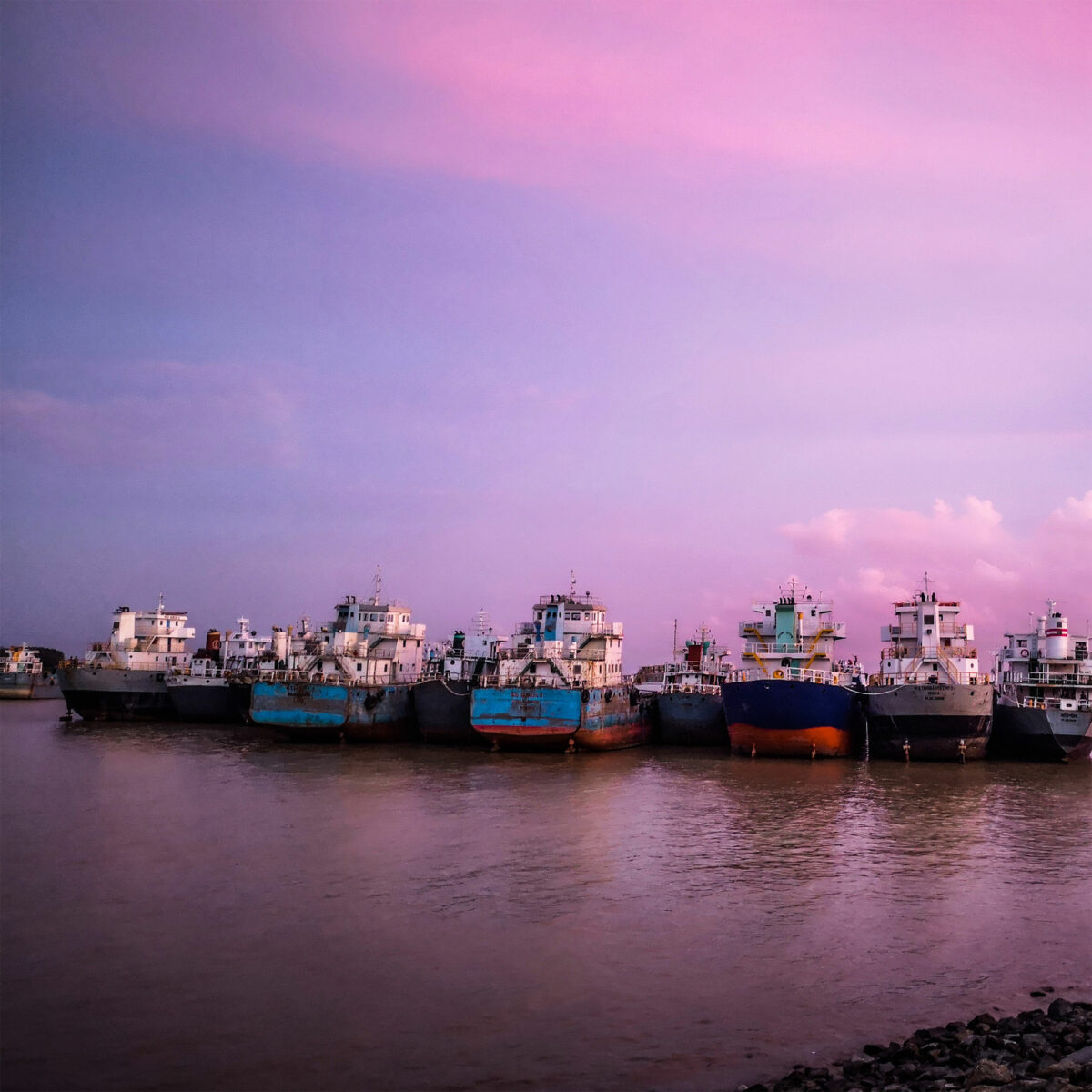
Bangladesh’s Mega Projects: Reviving the economy amidst COVID-19
Bangladesh’s economy is showing its potential through these mega projects. Government officials and experts say that if these Mega Projects can be implemented, Bangladesh’s status in the world court will increase.
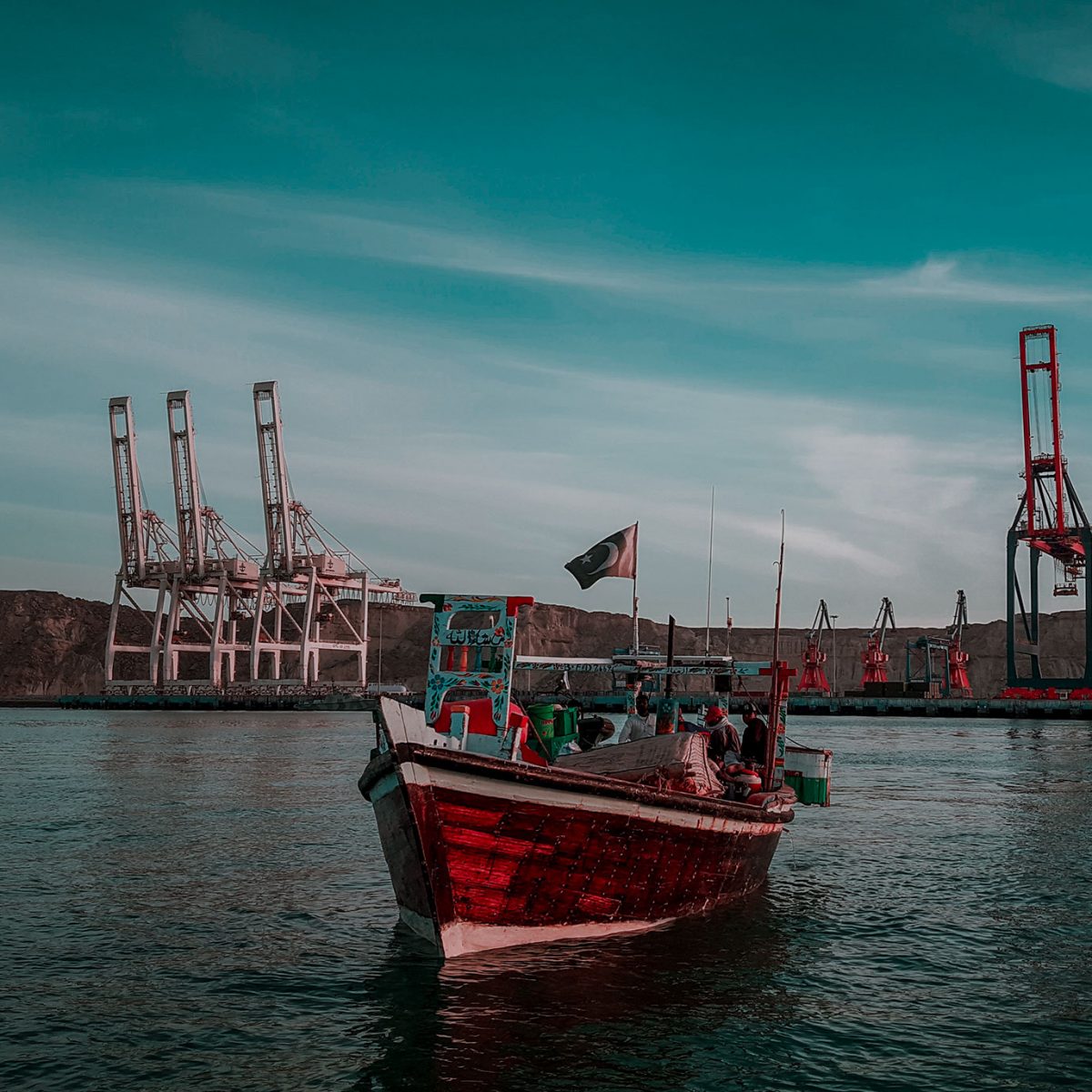
Access Asia: Bangladesh, Sri Lanka & Pakistan Offer New Combinations For Regional Supply Chains
Pakistan, Bangladesh and Sri Lanka are all near neighbours in South Asia, orbiting around the influence of India. All four share common ties both in terms of their history with the United Kingdom and through more recent ties through membership of the SAARC trade bloc.
Blockchain Security & Stablecoins: Emerging Standards in the Commonwealth | Webinar Recording
As blockchain adoption accelerates across all 56 Commonwealth nations—representing over 2.5 billion people—understanding digital asset security and regulatory frameworks has never been more important.
Pacific Leadership in a Global Context: A Conversation with John Loau | Webinar Recording
In a recent webinar hosted by Julia Charlton, John Loau, chair of the National Party’s Pacific branch in New Zealand, shared insightful perspectives on Pacific leadership in a global context. Highlighting Samoa’s historic hosting of the 2024 Commonwealth Heads of Government Meeting (CHOGM)
Blockchain Security & Stablecoins: Emerging Standards in the Commonwealth
Join the Commonwealth Chamber of Commerce for an insightful virtual discussion focused on blockchain security and the rising impact of stablecoins across Commonwealth nations.
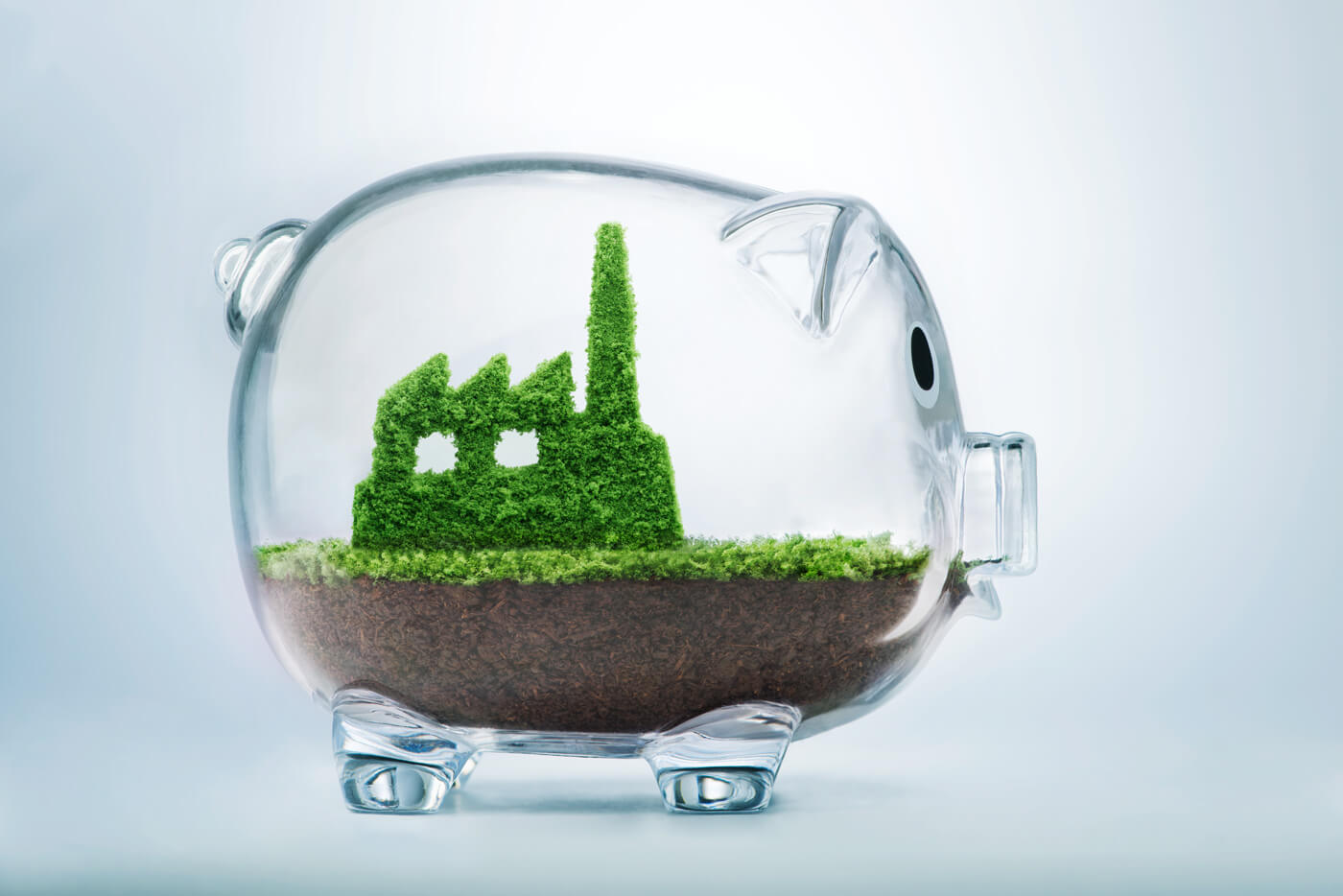
Environmental, Social and Governance (ESG): Growth and Opportunities in the Commonwealth
ESG in full refers to “(E)nvironmental, (S)ocial and (G)overnance” principles. While no official definition of ESG exists, it is agreed to be a holistic management framework of standards for all business-centric stakeholders involved in the structuring of organisations to understand and measure how well their companies/institutions are performing to offset risks and harness opportunities related to environmental, social and governance indicators.
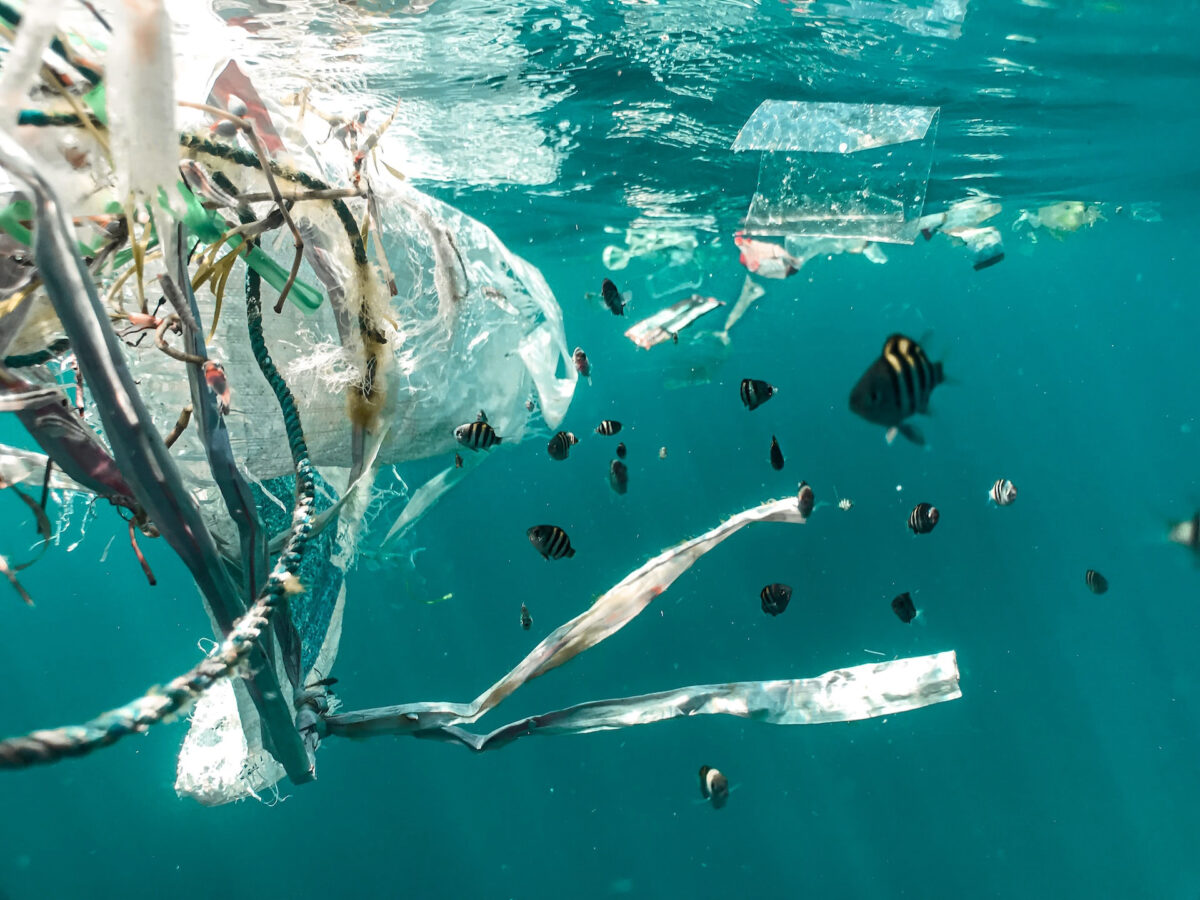
The Commonwealth Blue Charter: Progress Report
This progress report was released on 16 June 2022 by the Commonwealth Secretariat’s Oceans and Natural Resources Section, with notable contributions from David Sheppard, the Director of the Secretariat of the Pacific Regional Environment Programme (SPREP); Matthew Goldie-Scot, the Managing Director of the humanitarian strategic consultancy firm Thuso; and, Nina Schoonman, Consultant at Thuso.
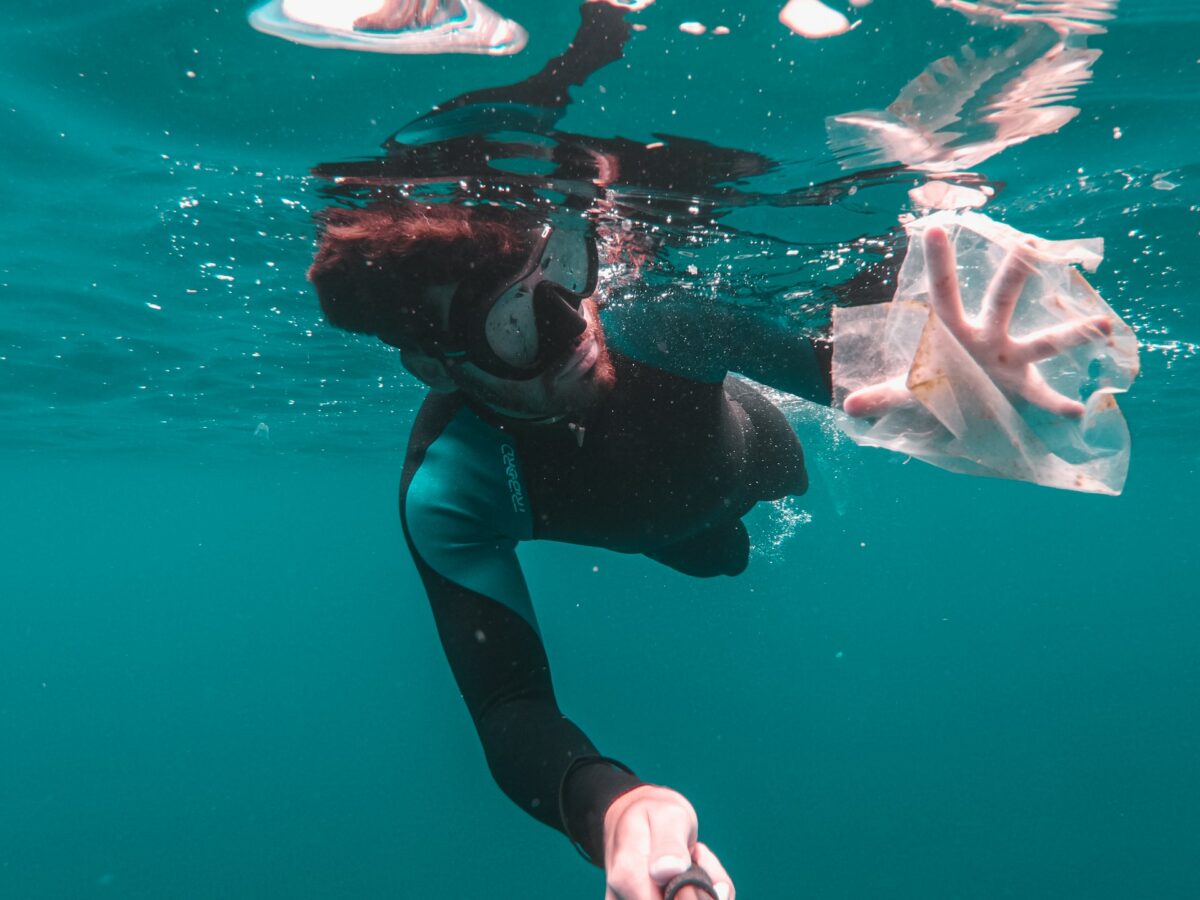
The Commonwealth Blue Charter: Ocean Action Report
In May 2022, Asia Investment Research, a research organisation jointly set up by the investment finance firm China Investment Research and Dezan & Shira Associates, issued a special Economics and Trade feature titled “Bangladesh Trade, Development & Economic...
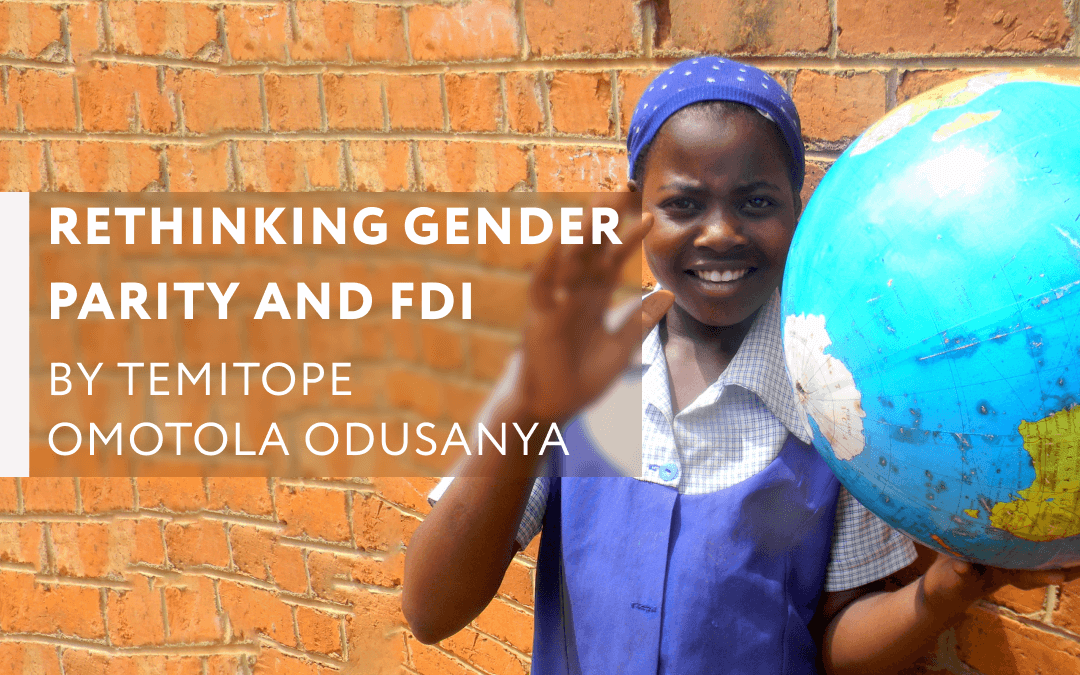
Rethinking Gender Parity and FDI
Gender disparity is arguably one of the greatest impediments to global development. The FDI’s landscape is often an overlooked avenue in gender equality discourse. Yet, it propels tapping equally into the reservoir of capabilities.
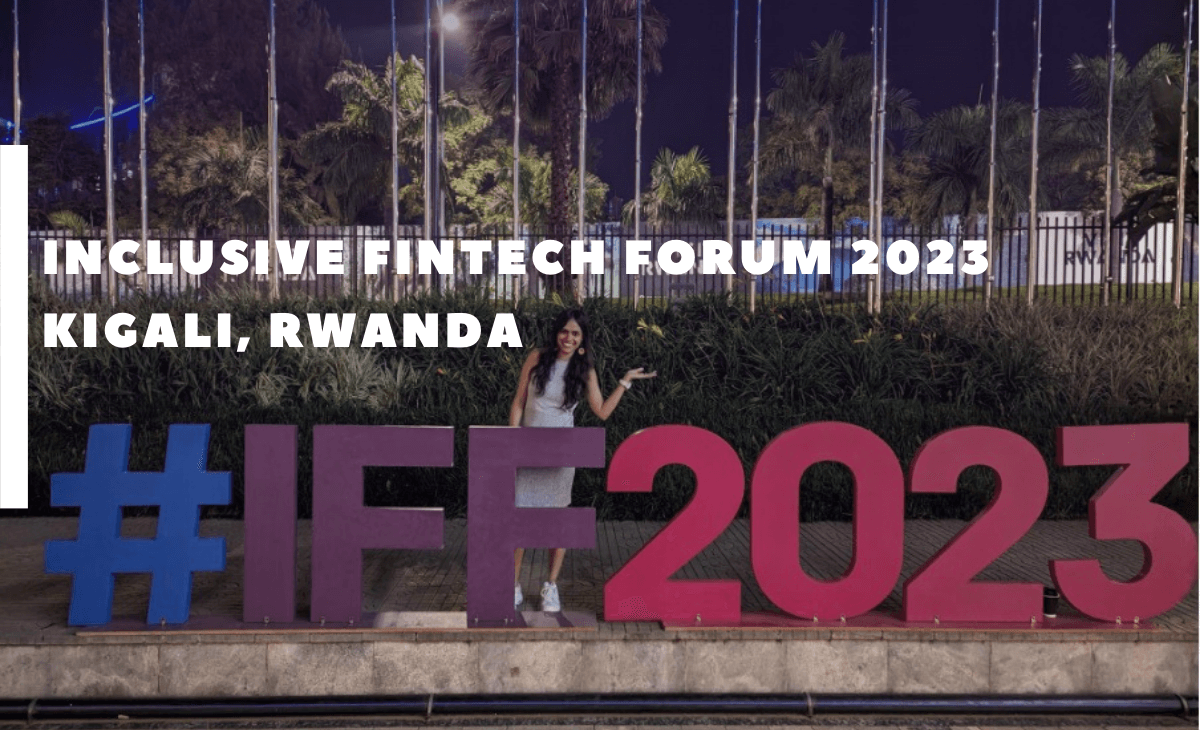
Unveiling Rwanda at the Inclusive Fintech Forum 2023: A Journey of Progress and Innovation
Hello Rwanda! Like always, it has always been my pleasure to visit here. I can truly say now that it is one of my favorite places in the world. I mean I’ve never been in love with a country more than this landlocked country bordered by Uganda to the north, Tanzania to the east, Burundi to the south, and the Democratic Republic of Congo to the west.
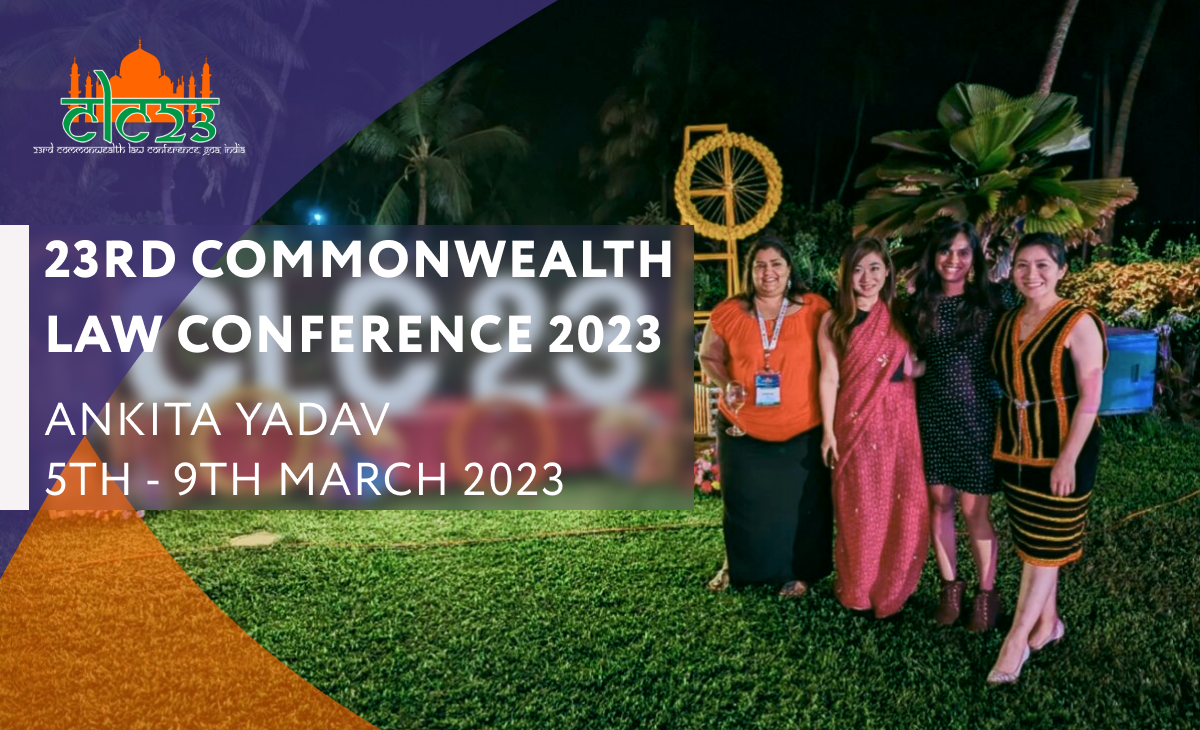
23rd Commonwealth Law Conference 2023
Did you know the first Commonwealth Law Conference was held in London in 1955, and since then it has been held in various cities across the Commonwealth, including Singapore, Cape Town, Auckland, and Edinburgh. The most recent conference was held in Goa, India.